
Lala Curio Vogue Living
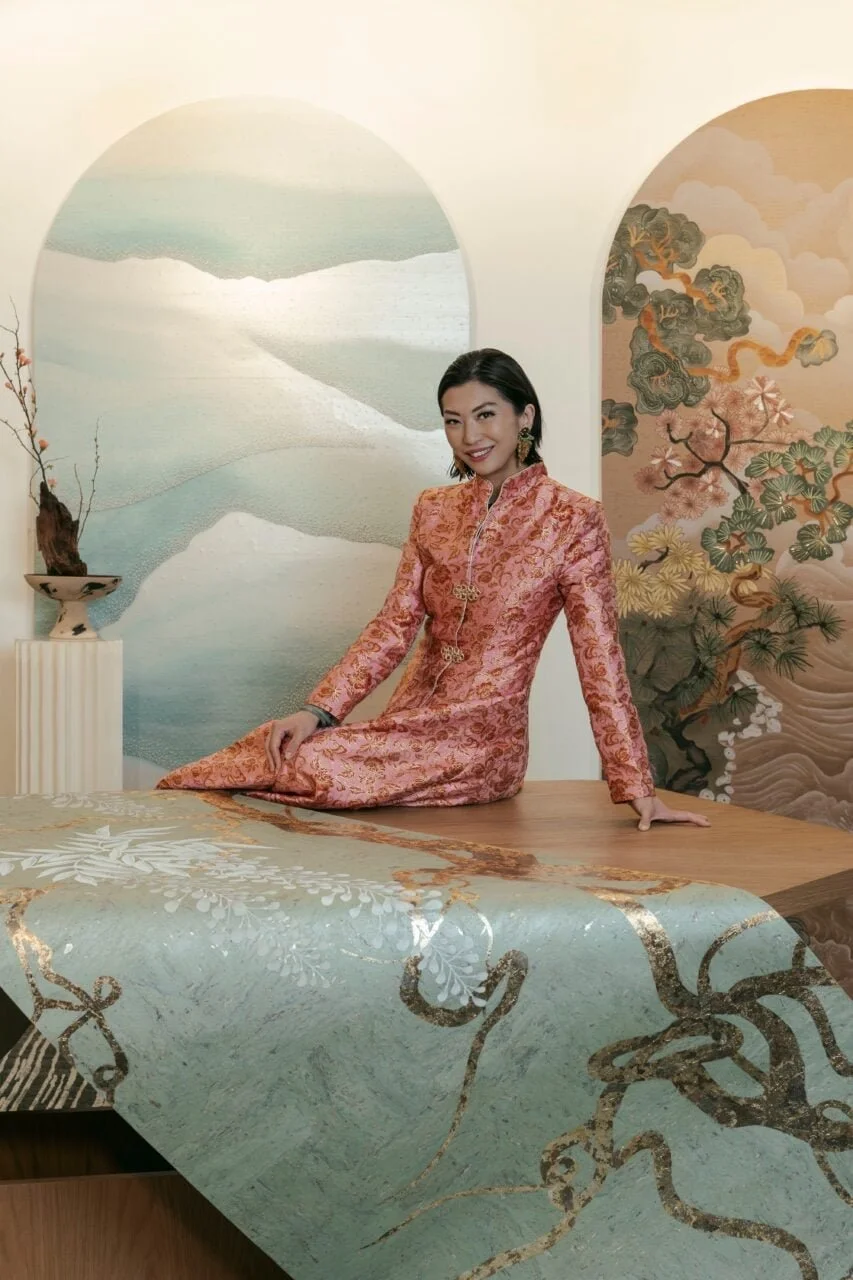
Lala Curio Is Interweaving Stories Into Interiors, Thread By Thread
Laura Cheung's journey from New York's fashion and museum world to founding LALA CURIO represents more than a career shift; it's a homecoming. Growing up in a family where craftsmanship spanned three generations, she inherited not just an appreciation for beauty but a living cultural dialogue that transcended time.
by Kaitlyn Lai
After studying at Parsons and Sotheby’s Institute and working with leading fashion houses and cultural institutions, it was in remote Asian villages, witnessing centuries-old techniques quietly vanishing, that Cheung discovered her calling. “These crafts carried stories, knowledge, and cultural memory that couldn’t be replicated by machines or mass production. It was also a powerful lesson as an entrepreneur— the grit, patience, and dedication required to sustain something meaningful over generations. That was the moment I realised this wasn’t just an interest. It was something worth dedicating my life to.”
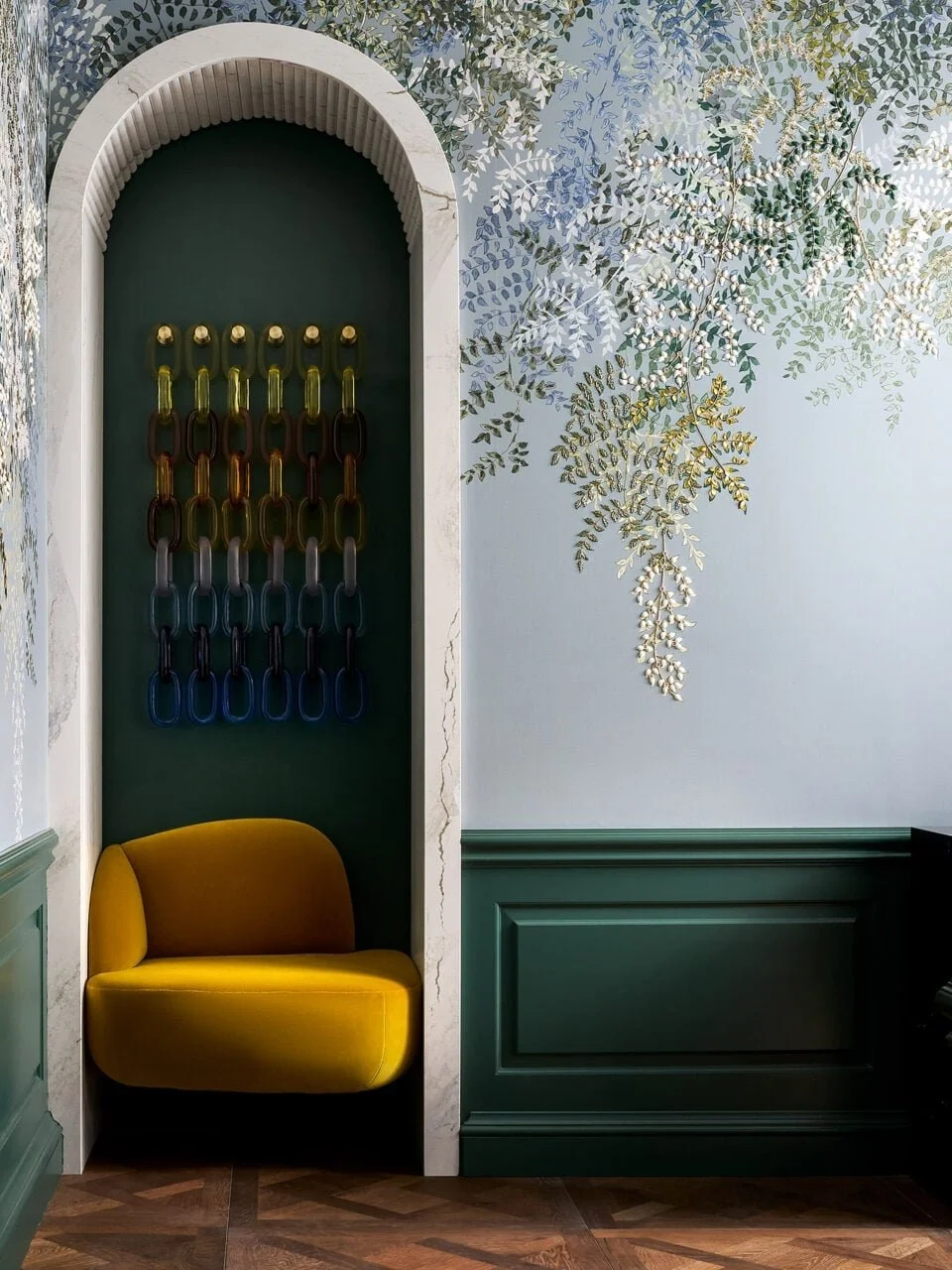
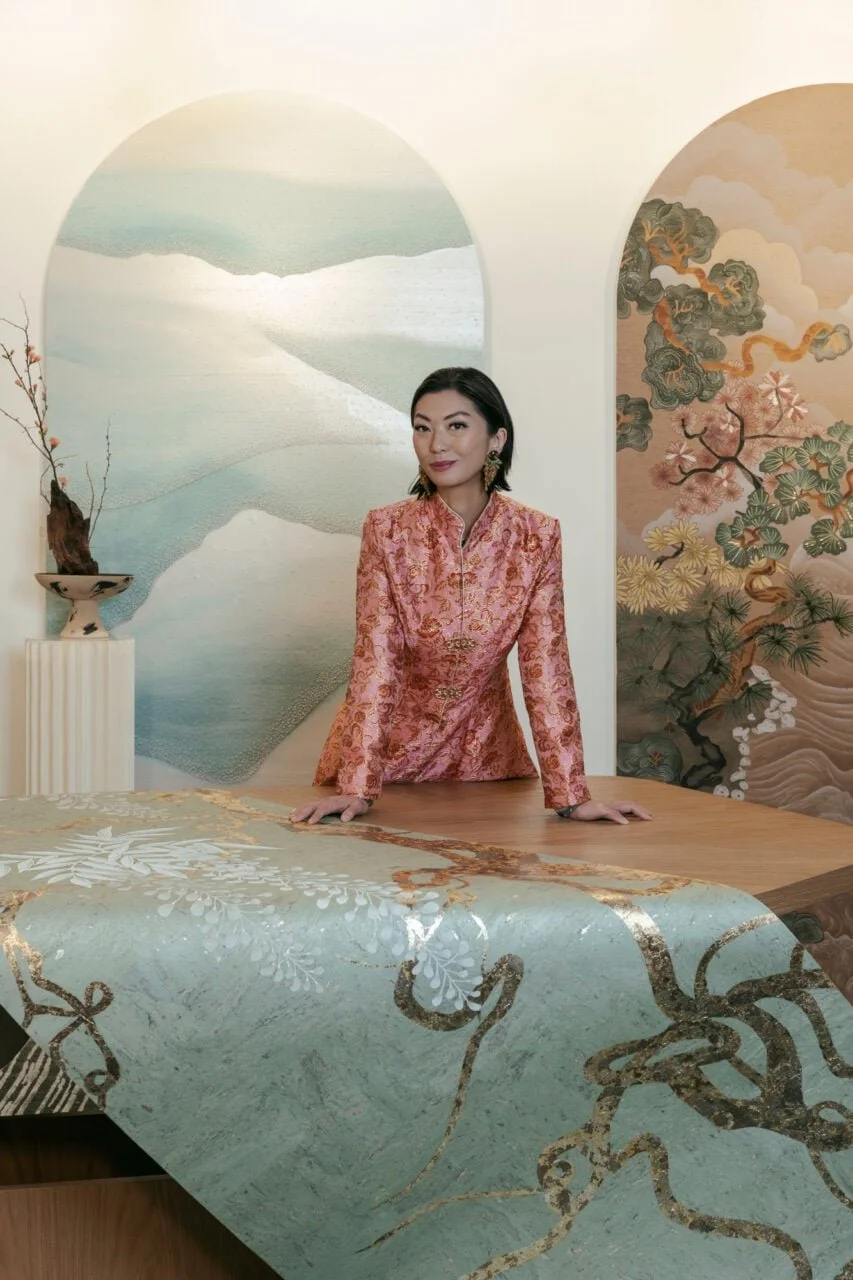
Cheung’s upbringing across Hong Kong, England, and Australia shaped a unique perspective—one in which Eastern symbolism and European decorative traditions could naturally converge. Her decorative arts atelier LALA CURIO channels this multicultural sensibility while pushing boundaries, reinterpreting traditional techniques such as hand painting, embroidery, and cloisonné in contemporary wallcoverings. “What we are really doing is not returning to the past—it is about evolving these traditions.”
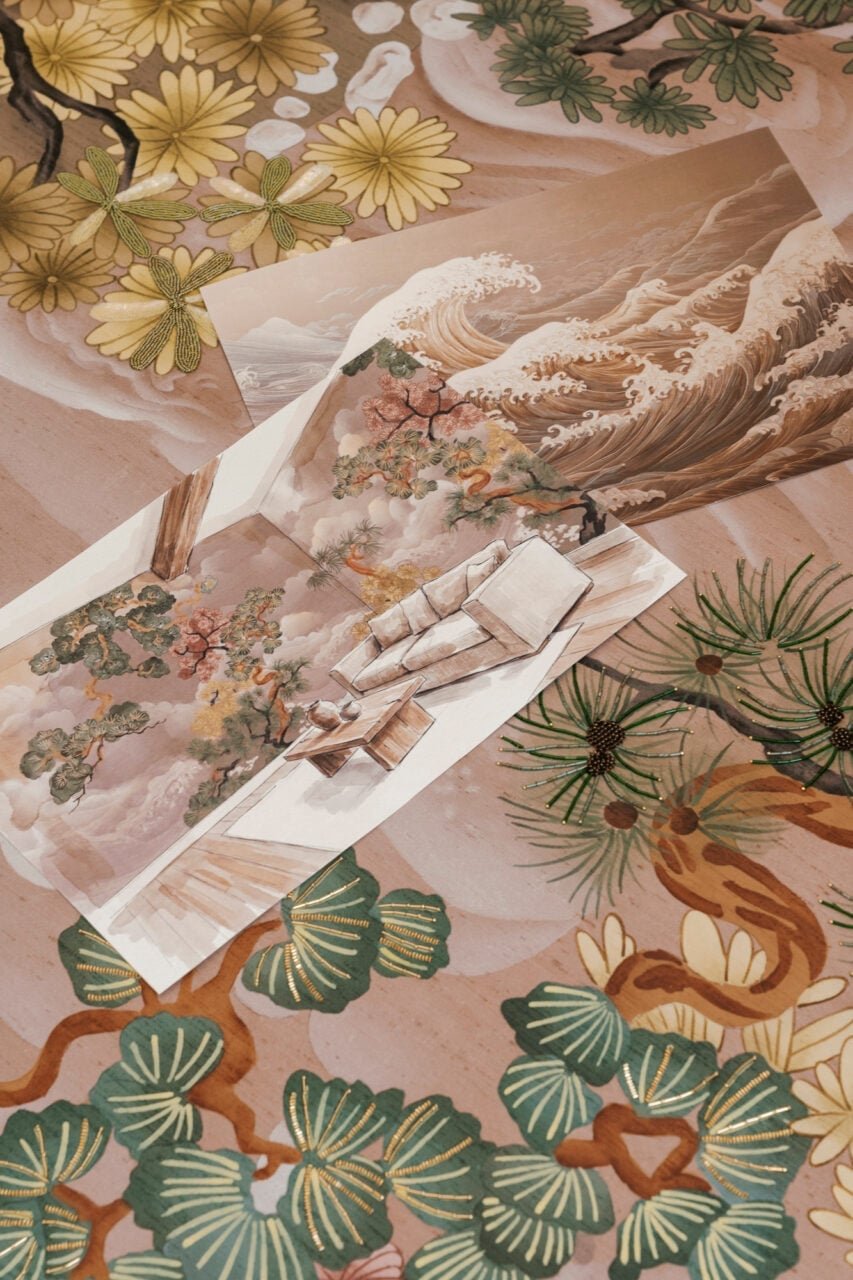
This evolution is evident at The Peninsula Hong Kong, where LALA CURIO’s new boutique showcases just that. The space demonstrates how heritage artistry can feel both timeless and quietly modern, featuring richly layered surfaces that incorporate sculptural textiles, cork, wood veneer, and metal leaf alongside traditional crafts.
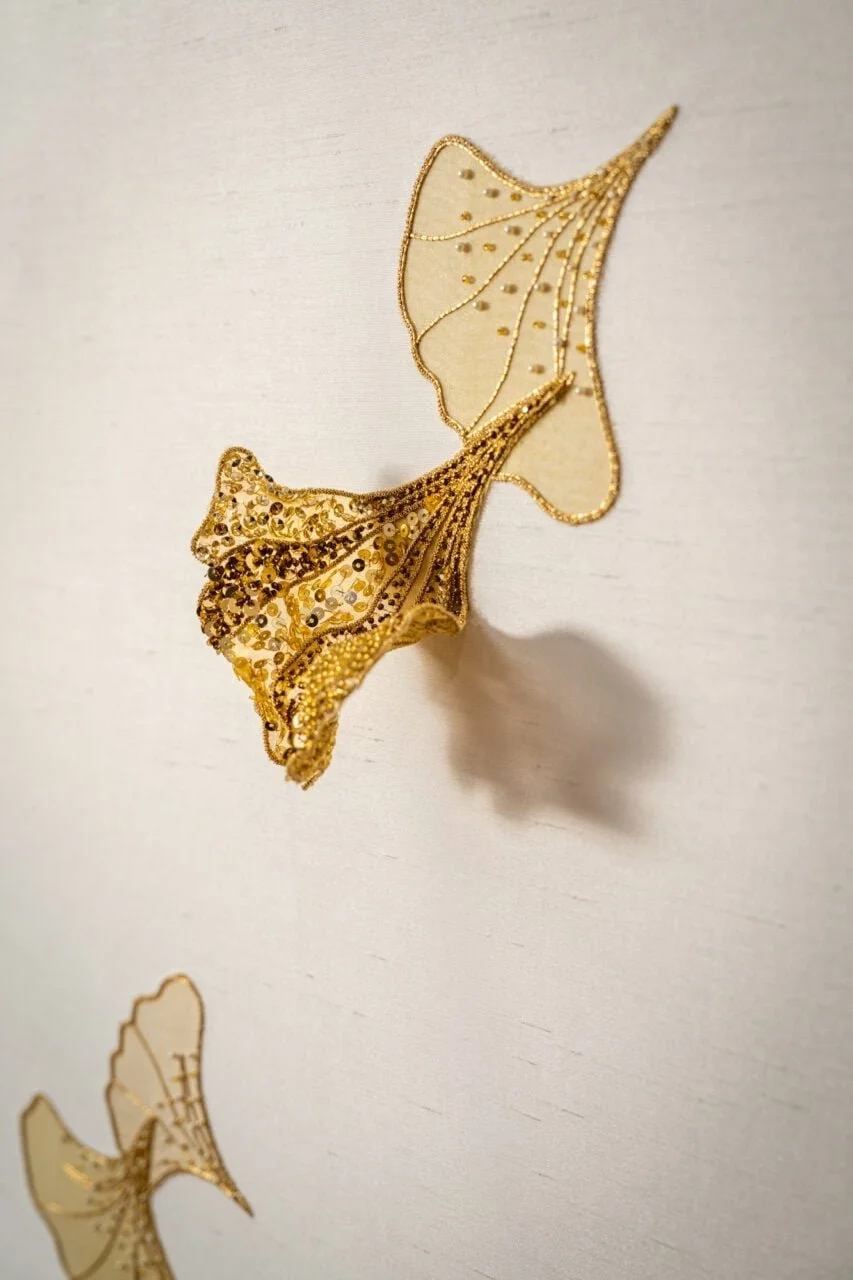
Cheung navigates the tension between preservation and innovation by what she calls “evolution rather than preservation.” She maintains the integrity of ancient techniques while adapting their context for contemporary interiors. “If a craft remains exactly the same forever, it risks becoming a museum artefact. But if it evolves thoughtfully, it stays alive.”
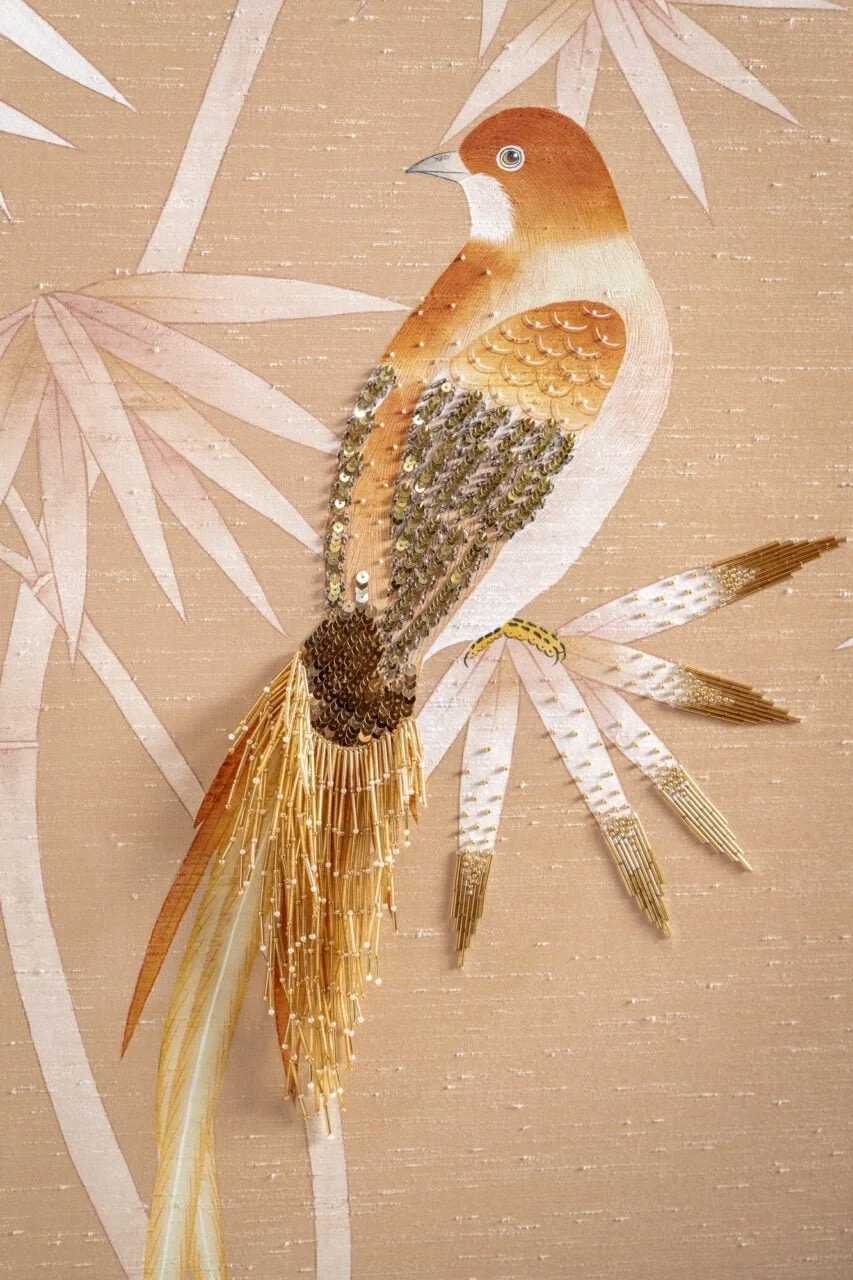
The challenge extends beyond that. “Crafts disappear quietly,” Cheung observes, “often because there is simply not enough work to sustain the artisans who practice them.” Against this silence, she builds ecosystems—connecting artisans with apprentices, collectors with creators. “Craftsmanship is not only about technique, but about respect,” she states. “Respect for the artisans, for the time it takes to master a skill, and for the cultural history embedded in every object.”
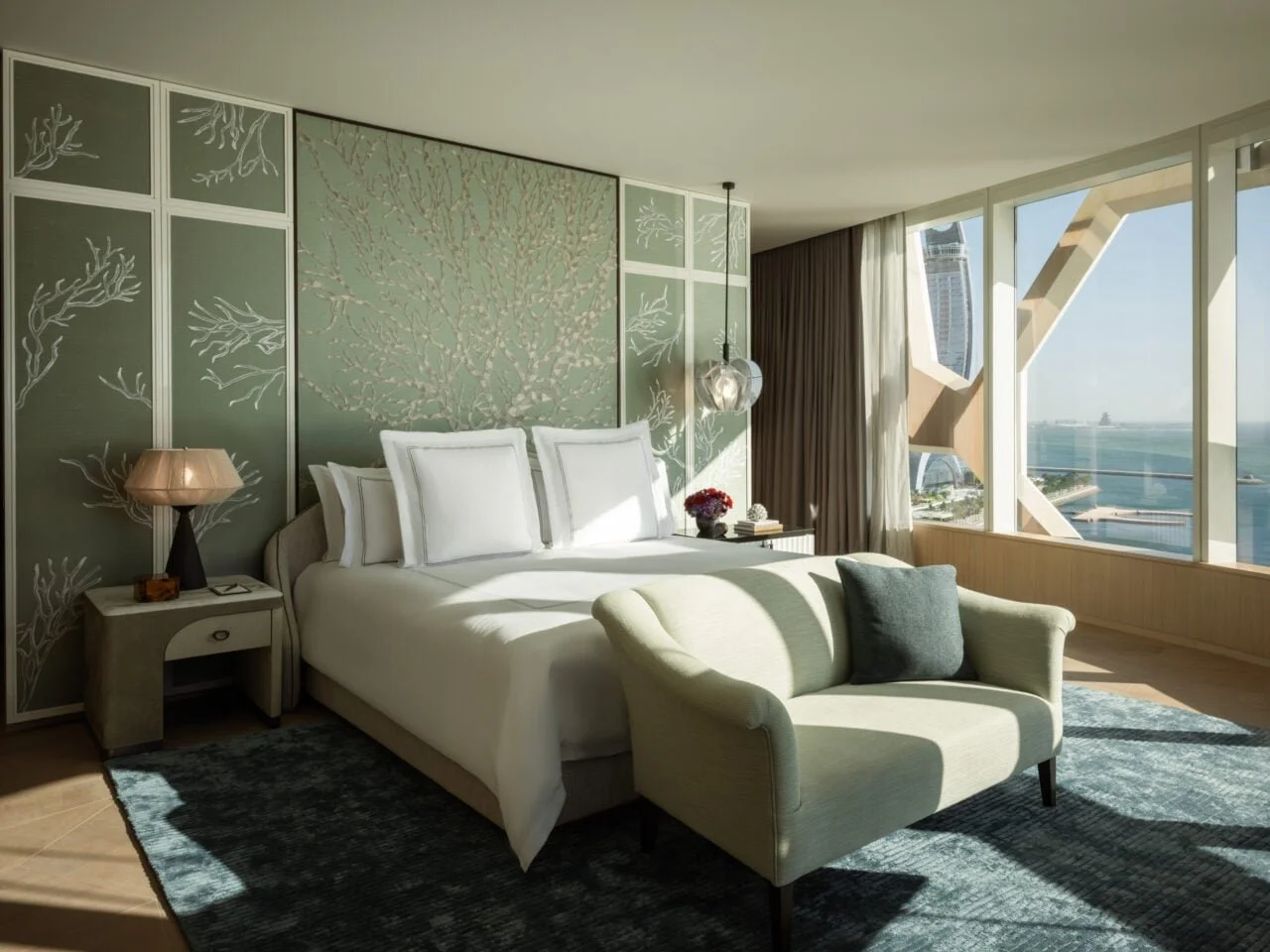
From Capella Macau to Rosewood Doha to Mandarin Oriental Lake Como, LALA CURIO’s installations now grace some of the world’s most refined spaces. In each, forgotten imperial crafts find new expression—cloisonné blooming across modern walls, centuries- old embroidery techniques reimagined through a global lens where materials and methods from different traditions meet, allowing future generations to encounter them anew.